

Understanding and Managing Short-Sightedness (Myopia)
- zandilem4321
- Mar 31, 2025
- 5 min read
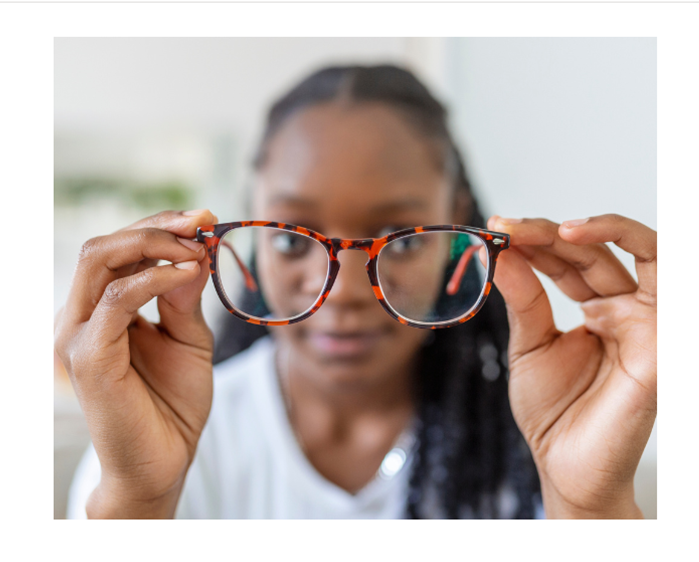
Our eyes are our windows to the world, allowing us to experience the beauty around us. However, they are also susceptible to various problems that can affect our vision and overall eye health. In this blog, we'll focus on short-sightedness (myopia), its causes, and solutions, including the use of contact lenses, glasses, and eye surgery. We'll also delve into how to choose the right glasses, where to buy them for less, and how to turn your prescription glasses into a fashion statement. Finally, we'll provide tips on eye care and list some eye clinics and optometrists
Understanding Short-Sightedness (Myopia)
Short-Sightedness (Myopia): Causes blurred vision when looking at distant objects. It occurs when the eyeball is too long or the cornea is too curved, causing light to focus in front of the retina instead of directly on it. This condition is becoming increasingly prevalent, especially in urban areas where people spend more time indoors and engage in activities that require close-up focus, such as reading or using electronic devices.
Symptoms of Myopia
Difficulty seeing distant objects clearly
Squinting or straining to see
Headaches or eye strain
Needing to sit closer to the television or whiteboard
Causes of Myopia
Genetics: If one or both parents are short-sighted, there is a higher likelihood that their children will also develop myopia.
Environmental Factors: Spending long periods of time doing close-up work or indoors can contribute to myopia.
Lifestyle Habits: Poor diet, lack of exercise, and smoking can increase the risk of developing myopia.
Solutions for Myopia
Contact Lenses: Ideal for correcting vision without altering appearance. They require regular maintenance to avoid infections.
Glasses: Available in various types, including single-vision, bifocal, and progressive lenses. They can be customized with UV protection, blue light filters, and photochromic lenses.
Eye Surgery: Procedures like LASIK and PRK can permanently correct vision issues.
LASIK and PRK in Johannesburg
Sandton Eye Clinic: Located at Morningside Mediclinic, Sandton Eye Clinic offers LASIK and PRK surgeries with advanced technology to treat a variety of vision problems. Contact: 011 214 9075. Website
JHB Vision Clinic: Offers LASIK and PRK surgeries with advanced technology to treat a variety of vision problems. Contact: 011 214 9075. Website
Constantia Eye Clinic: Specializes in LASIK and PRK surgeries, providing tailored treatment plans. Contact: 011 476 3119. Website
Dr. Barry Payne Ophthalmologist: Provides LASIK and PRK surgeries with a focus on personalized care. Contact: 011 476 3119. Website
Optimed Eye and Laser Clinic: Located in Pretoria, this clinic specializes in laser vision corrections. Contact: 012 346 5615. Website
Safesight Cataract & Eye Laser Centre: Located at 159 Rivonia Road, Morningside, Sandton. Contact: 011 884 4111. Website
For accurate charges, please contact the clinics directly.
Costs of LASIK and PRK
Consultation Fees: Range from R1650 to R3000 depending on the type of exam.
Procedure Costs: LASIK and PRK surgeries can cost around R30,000 for both eyes.
Qualification Criteria for LASIK
Age: You must be at least 18 years old.
Stable Vision: Your prescription should remain unchanged for at least one year.
Prescription Range: For myopia, your prescription should be within -12.00 diopters.
Corneal Thickness: Your cornea needs to be thick enough for the procedure.
Overall Health: You should be in good overall health without conditions that impair healing.
Permanence of LASIK Surgery
LASIK surgery is designed to be a permanent solution by reshaping the cornea. However, some individuals may experience changes in their vision over time due to aging or other factors. Regular eye exams are essential to monitor eye health and address any changes.
Post-Operative Care for LASIK
Immediately After Surgery: Go home and rest your eyes. Your eyes will be patched to prevent you from opening them, ensuring protection during the critical initial healing period. You will be given a sleeping tablet to help you rest for the remainder of the day. Expect some scratchiness, tearing, and a burning sensation, which is normal. Sleeping through this period can help ease discomfort.
Day 1: Follow-up consultation with an eye test, computerized refraction, and examination to ensure everything is progressing well. You will receive a prescription for eye drops to use for the next six weeks. By this time, your uncorrected visual acuity should be good enough to drive (20/40). Most patients can resume normal activities within 2 to 4 days.
Within 2 Weeks: Additional tests to confirm the diagnosis and the adequacy of the procedure.
Within 3 Weeks: The surgery is performed at the clinic.
5-6 Weeks: Post-operative care includes specific checks, medication, and restrictions which may require a leave of absence.
More Than 6 Weeks: The eye continues to heal, adapt, and stabilize leading to the full extent of potential recovery.

Taking Care of Your Contact Lenses
Proper care of contact lenses is essential to avoid infections and ensure comfort. Here are some tips:
How to Put On Contact Lenses
Wash Your Hands: Use soap and water, then dry with a lint-free towel.
Check the Lens: Ensure the lens is not inside out and free of damage.
Place the Lens: Put the lens on the tip of your index finger.
Hold Your Eyelids: Use your other hand to hold your upper eyelid and the same hand to pull down your lower eyelid.
Insert the Lens: Gently place the lens on your eye and blink to settle it.
How to Clean Contact Lenses
Rub and Rinse: Use a few drops of multipurpose solution to rub the lens gently for about 20 seconds, then rinse with more solution.
Store Properly: Place the lens in a clean case with fresh solution. Replace the solution daily.
Avoid Water: Never use tap water to clean or store lenses.
Storing Contact Lenses
Use Fresh Solution: Always use fresh contact lens solution to store your lenses.
Clean the Case: Rinse the case with solution and let it air dry.
Replace the Case: Change your lens case every three months.
Keeping Lenses Away from Dust
Close the Case: Always keep the case tightly closed to prevent contamination.
Avoid Dusty Environments: Wear protective eyewear if you must be in a dusty area.
Carry Saline Solution: Use saline solution to rinse your lenses if they get dusty.

Choosing the Right Glasses
Shapes: Square frames for sharp features, rimless for heart-shaped faces, rectangular for round faces, and wider frames for oval faces.
Clip-On Shades: Convenient for turning regular glasses into sunglasses.
Multiple Pairs: Useful for different activities and fashion needs.
Where to Buy Glasses for Less and Contact lenses
Contact lenses club Buy Biofinity Toric Contact Lenses - Contact Lens Club
Optique: Offers affordable frames and eye tests starting at R99.
Specs Express: Known for competitive prices and a wide range of options.
Optical Alliance: With over 300 stores they provide trustworthy vision care.
Falco Milano: Offers stylish and affordable frames. You can buy frames from Falco Milano and send your prescription to them for custom-made glasses.
Firmoo Optical: Known for affordable and stylish prescription glasses. You can buy frames from Firmoo Optical and send your prescription to them for custom-made glasses.

Turning Prescription Glasses into Fashion
Bold Frames: Make a statement with vivid colours.
Classic Styles: Cat-eye and tortoiseshell patterns add vintage charm.
Minimalist Designs: Sleek metal frames for a sophisticated look.
Costs and Add-Ons
Optometrist Consultation Fees: Range from R800 to R3000 depending on the type of exam.
Contact Lenses: Prices vary but a box can cost around R420 to R1005.
Prescription Glasses: Adding features like UV protection or blue light filters can increase costs.
Eye Care Tips
Regular Breaks: Rest your eyes during prolonged screen use.
Proper Hygiene: Clean contact lenses and glasses regularly.
Healthy Diet: Include foods rich in vitamins A, C, and E.
Conclusion
Taking care of your eyes is crucial for maintaining good vision and overall health. Whether you choose glasses, contact lenses, or eye surgery, there are solutions available for every need and budget. Remember to consult with an optometrist regularly and make informed choices about your eyewear.


Comments